Tracking the information about your manuscript
Communicate with the editorial office
Query manuscript payment status Edit officeCollecting, editing, reviewing and other affairs offices
Managing manuscripts
Managing author information and external review Expert Information Expert officeOnline Review
Online Communication with the Editorial Department
Page Views
About Journal
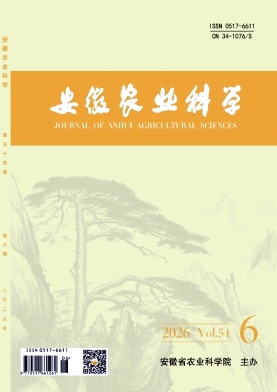
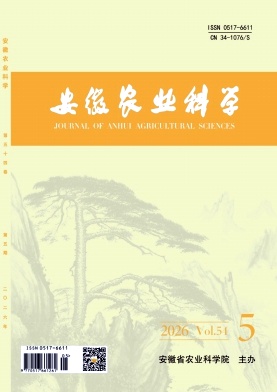
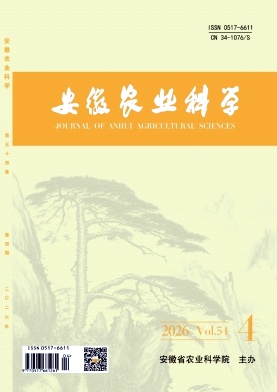
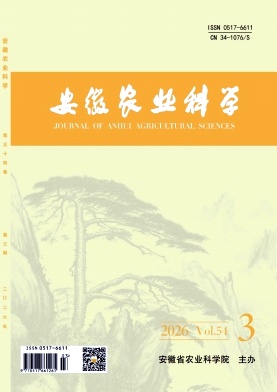
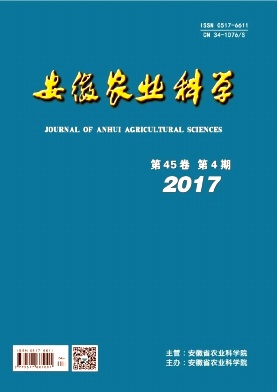
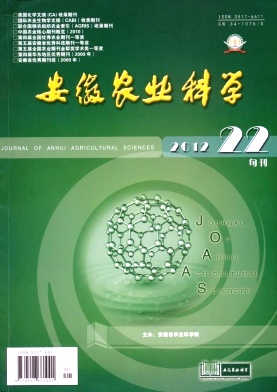
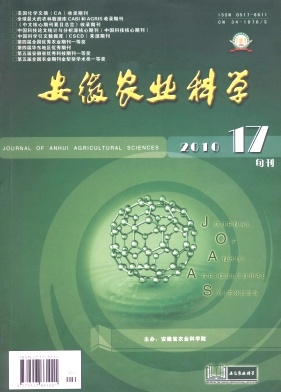
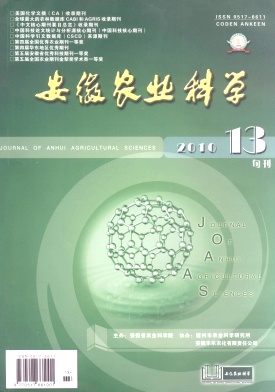
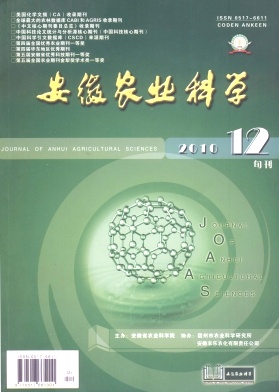
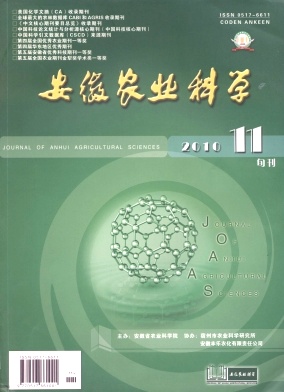
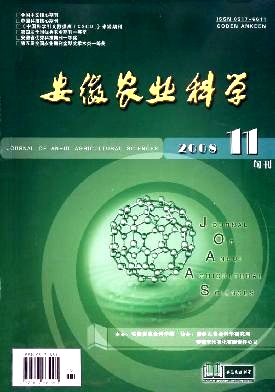
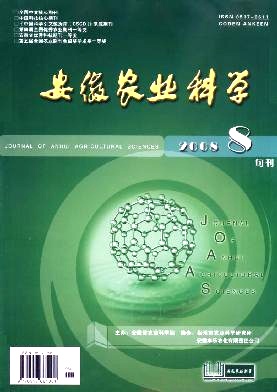
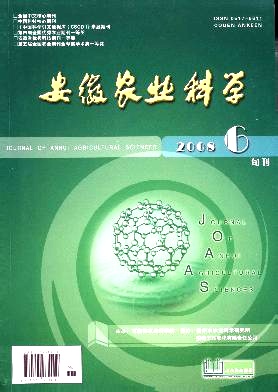
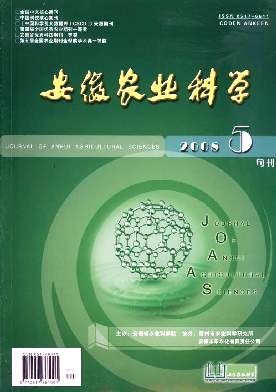
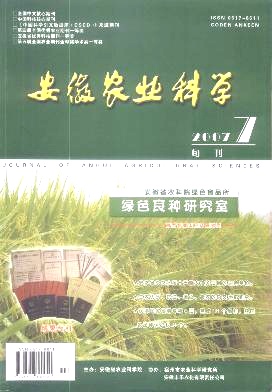
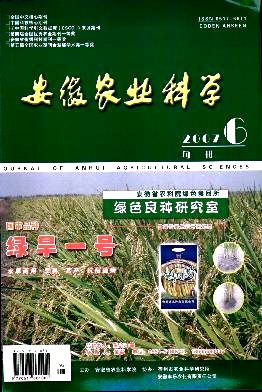
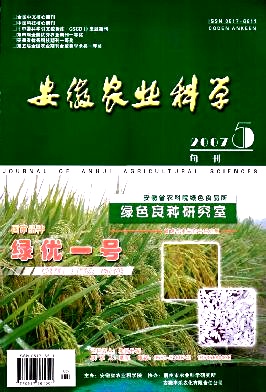
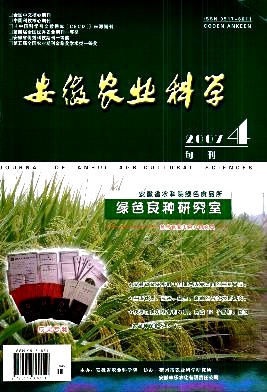
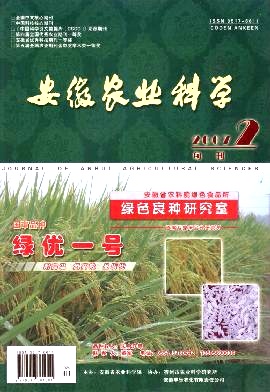
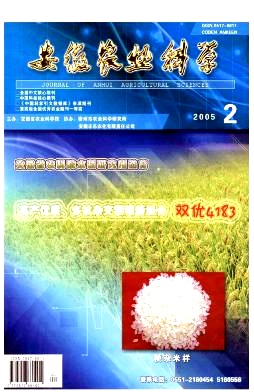
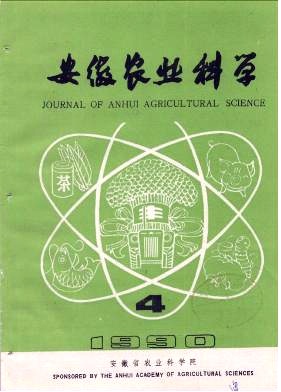
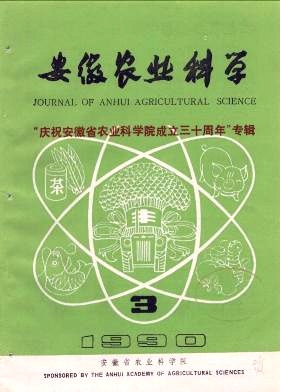
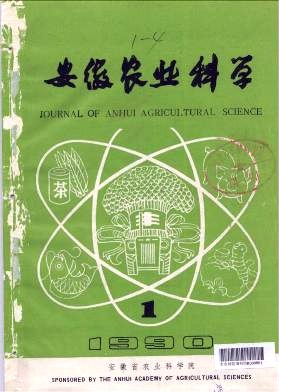
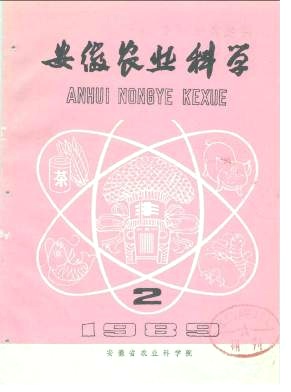
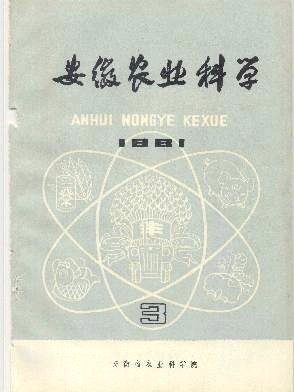
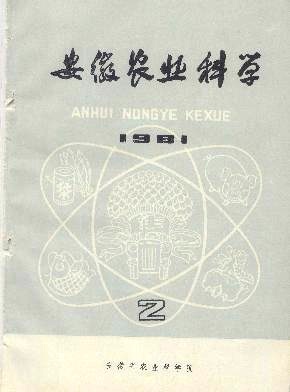
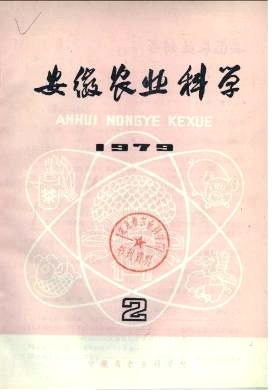
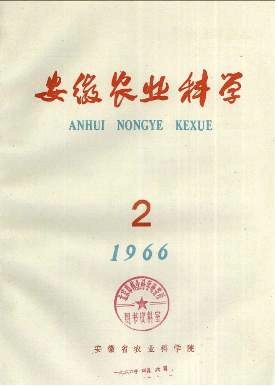
Journal of Anhui Agricultural Science (ISSN 0517-6611, CN 34-1076/S, mailing code: 26-20, A4 format), founded in 1961, is a comprehensive academic journal of agriculture sponsored and supervised by Anhui Academy of Agricultural Sciences. And it published by the Institute of Agricultural Economics and Information of Anhui Academy of Agricultural Sciences. This journal was recognized as a Class A academic journal (the first batch) by the National Press and Publication Administration in 2015. It mainly publishes academic research papers related to agriculture such as basic theory, applied research, agricultural economic research, agricultural history research and so on, and tracks and reports the latest practical agricultural scientific and technological achievements of various disciplines. This journal has established columns such as basic science&review, agronomy&horticulture, resources&environment, animal science&biotechnology, forestry science&leisure agriculture, plant protection&nutrition, food science&medicinal biology, storage, transportation and processing&testing and analysis, agricultural engineering&agrometeorology, agricultural economy&information, agricultural management&education and other columns.
Purpose: Guided by Xi Jinping Thought on Socialism with Chinese Characteristicsfor a New Era. Adhering to the purpose of “let a hundred schools of thought contend” to interpret agricultural policies, explore rural reforms, focus on the latest scientific research achievements in various fields of agriculture and innovative breakthroughs in key technologies, highlight public welfare and academic, build an exchange platform for agricultural scientific research and theoretical discussion, and provide services for agricultural scientific and technological progress and agricultural modernization in Anhui and even the whole country.
Principles: Based on Anhui facing the whole country
Public welfare is quality-oriented
Keep up with the innovative development of The Times
Aims: Strive to make Journal of Anhui Agricultural Science a first-class academic journal with high academic level, first-class editorial team and its own characteristics.
Research Progress on Postharvest Preservation and Storage Technology for Pear Fruits
FENG Xue-mei;LIANG Yu-wen;HUANG Yue;As one of the important cash crops in China, the postharvest preservation and storage technology of pear has been a hot topic in the field of horticultural products postharvest treatment.In this paper, the mechanism of postharvest physiological changes of pear fruits and the application effect of preservation technology in recent years were systematically reviewed, including physical preservation, chemical preservation, biological preservation and composite preservation technology, and the future research direction was prospected.Through in-depth analysis of a large number of research data, this study revealed the respective advantages of different preservation technologies in inhibiting the respiratory intensity of pear fruit, delaying ripening and softening, controlling microbial infection and maintaining nutrients, and pointed out that the collaborative application of technologies can often achieve better preservation effect.The purpose of this review is to provide theoretical support for the optimal selection of postharvest processing technology in pear industry, and provide directional reference for subsequent research.
Advances in Research on the Trait Regulatory Mechanisms of Plant Hormones Under Heavy Metal Stress
ZHANG Cai-long;ZHANG Mei;YANG Xiao-rong;Soil heavy metal stress drives plants to develop adaptive mechanisms, and phytohormones, as critical regulatory factors, play a pivotal role in plant responses to heavy metal stress.This review focuses on the functions of plant hormones(e.g.,auxin, cytokinin, gibberellin, abscisic acid, ethylene) and summarizes the mechanisms by which these hormones alleviate heavy metal toxicity and promote plant growth through regulating plant growth, metabolism, and physiological functions.Auxin reconstructs root morphology by inhibiting primary root elongation and promoting lateral root proliferation, thereby enhancing the capacity for heavy metal sequestration.Cytokinin induces the synthesis of chelating compounds such as glutathione, facilitating the vacuolar compartmentalization of heavy metal ions.Gibberellin modulates plant height and internode elongation by regulating DELLA protein stability, counteracting growth inhibition under heavy metal stress.Abscisic acid mitigates oxidative damage and water loss via inducing stomatal closure, activating antioxidant enzyme systems, and regulating gene expression.Ethylene participates in fruit ripening, cell wall degradation, and stress-resistance signal transduction, synergizing with other hormones to modulate plant stress responses.Understanding the regulatory mechanisms of these hormones under heavy metal stress not only deepens the comprehension of plant adaptation strategies to heavy metal stress but also provides novel theoretical foundations and technical approaches for enhancing plant stress resistance, improving soil quality, and remediating heavy metal pollution in agricultural applications.
Research on the Ecological Adaptability of Winter Wheat Varieties (Lines) and the Synergistic Effect of Yield Constituent Factors in the Arid Northwest Region
LI Jing;XING Ya-ling;HE Yong-bin;[Objective] In view of the production conditions and climatic characteristics of the arid areas in central Gansu Province, the adaptability and yield stability of selected winter wheat varieties(lines) were evaluated to screen for dryland winter wheat varieties(lines) with favorable agronomic traits, outstanding high-yield performance, and suitability for different ecological regions. [Method] Using 11 newly developed winter wheat varieties(lines) as experimental materials, comprehensive analyses and evaluations were conducted on growth duration, plant height, maximum tiller, effective ear, grains per panicle, 1000-grain weight, bulk density, and plot yield across five experimental sites. [Result] Genotype was the primary source of yield variation, followed by genotype × environment interaction, the yield was signigicant/y or whereas the environmental effect alone was the least influential—indicating that site specificity must be fully considered in variety selection. The variation in agronomic traits among the tested varieties(lines) in central Gansu Province was relatively limited. Correlation analysis revealed yield was significantly positively corelated with effective ear and 1 000-grain weight. Effective panicles were significantly positively correlated with plant height and maximum tiller. Grains per panicle was significantly negatively correlated with effective ear. [Conclusion]The converted yields of Longjian 124, Zhuanglang 18, Ningmai 19, Longyuan 176, Longfeng 103, Longjian 126, and Longzhong No.12 were relatively high across the five test sites. Therefore, in variety selection and breeding, correlations among various traits should be comprehensively evaluated based on climatic differences among experimental sites and the adaptability of different varieties under similar climatic conditions. Varieties exhibiting good adaptability and strong high-yield potential should be prioritized to meet breeding objectives of high quality and high yield.
Discussion on the Differences in Quality Characteristics and Improvement Methods of Flue-cured Tobacco C3F Grade in “Huili and Huidong” Tobacco-growing Areas of Liangshan State
FENG Lian-jun;WANG Zheng-xin;WEN Tao;[Objective] To explore differences in the quality characteristics of flue-cured tobacco C3F grade and identify ways to improve quality in the “Huili and Huidong” tobacco-growing areas of Liangshan. [Method] Huili Honghuadajinyuan, Huili Yunyan 87, Huidong Honghuadajinyuan and Huidong Yunyan 87 were selected for research. [Result] Huili Honghuadajinyuan exhibited a lighter appearance color, lower maturity, and thinner identity, which are significantly inferior to those of the other three samples; in terms of physical characteristics, leaf density in the same production area was shown as Yunyan 87>Honghuadajinyuan, while stem content percentage was the opposite. Single leaf weight was higher in the Huidong production area than in the Huili production area; in terms of conventional chemical composition, Huili Honghuadajinyuan had higher total sugar and reducing sugar contents, but lower total nitrogen and nicotine contents. The comprehensive sensory quality score was highest in Huidong Yunyan 87, middle in Huidong Honghuadajin yuan and Huili Yunyan 87, and lowest in Huili Honghuadajinyuan. Leaf thickness, equilibrium moisture content, nicotine content, sugar-alkali ratio and K/Cl ratio were the physical and chemical indicators significantly associated with the total sensory quality score in the regression model. There were significant or extremely significant positive correlations between appearance color, leaf structure, there is an extremely significant positive correlation between body thickness and leaf thickness, nicotine content, body and equilibrium moisture content, oil content, color intensity and K/Cl ratio show significant or highly significant negative correlations. [Conclusion] In summary, Huili Honghuadajinyuan should prioritize improving leaf color and body; Huili Yunyan 87 should focus on enhancing maturity and leaf structure; Huidong Honghuadajinyuan should target improvements in color and leaf structure; and Huidong Yunyan 87 should emphasize increasing oil content and color intensity in tobacco production.
Exploration of Legume Variety Screening for Intercropping with Forage Corn in High-cold Dryland Areas
WANG Ting-yan;ZHANG Ming;WANG Ke;To screen for forage legume crops suitable for intercropping with Tieyan 53 maize in the high-cold dryland of Qinghai, this experiment selected five legume varieties(Qingcan 22, Qingjian 1, Qingshao 1, Ximu 333/A, and Lablab bean).A strip intercropping pattern of 3 rows of maize plus 2 rows of legumes was adopted for planting.The suitable intercropping legume varieties were determined by measuring and analyzing indicators including crop growth period, key agronomic traits, forage yield, and soil nutrient content.The results showed that Qingcan 22 had a growth period of 137 days, which exhibited the best growth period matching with Tieyan 53 maize, enabling simultaneous sowing and harvesting.This combination demonstrated relatively superior agronomic performance: after intercropping, the plant height(333.90 cm), leaf length(96.50 cm), leaf width(13.08 cm), and number of green leaves(8.20 leaves) of Tieyan 53 maize were all better than those of other intercropping combinations.The total fresh forage yield reached 154.57 t/hm2, showing a significant difference from the other treatments except the monocropping group of Tieyan 53 maize and the intercopping group of Lablab bean(P<0.05).All intercropping treatments had a certain improvement effect on soil nutrient contents such as total nitrogen, available phosphorus, and available potassium, but the differences were not significant compared with the control.In conclusion, Qingcan 22 is the suitable legume variety for intercropping with Tieyan 53 maize in the high-cold dryland of Qinghai.
























 36
36
 35
35
 34
34
 33
33
 32
32
 31
31
 30
30
 29
29
 28
28
 27
27
 26
26
 25
25
 24
24
 23
23
 22
22
 21
21
 20
20
 19
19
 18
18
 17
17
 16
16
 15
15
 14
14
 13
13
 12
12
 11
11
 10
10
 09
09
 08
08
 07
07
 06
06
 05
05
 04
04
 03
03
 02
02
 01
01
 36
36
 35
35
 34
34
 33
33
 32
32
 31
31
 30
30
 29
29
 28
28
 27
27
 26
26
 25
25
 24
24
 23
23
 22
22
 21
21
 20
20
 19
19
 18
18
 17
17
 16
16
 15
15
 14
14
 13
13
 12
12
 11
11
 10
10
 09
09
 08
08
 07
07
 06
06
 05
05
 04
04
 03
03
 02
02
 01
01
 36
36
 35
35
 34
34
 33
33
 32
32
 31
31
 30
30
 29
29
 28
28
 27
27
 26
26
 25
25
 24
24
 23
23
 22
22
 21
21
 20
20
 19
19
 18
18
 17
17
 16
16
 15
15
 14
14
 13
13
 12
12
 11
11
 10
10
 09
09
 08
08
 07
07
 06
06
 05
05
 04
04
 03
03
 02
02
 01
01
 36
36
 35
35
 34
34
 33
33
 32
32
 31
31
 30
30
 29
29
 28
28
 27
27
 26
26
 25
25
 24
24
 23
23
 22
22
 21
21
 20
20
 19
19
 18
18
 17
17
 16
16
 15
15
 14
14
 13
13
 12
12
 11
11
 10
10
 09
09
 08
08
 07
07
 06
06
 05
05
 04
04
 03
03
 02
02
 01
01
 36
36
 35
35
 34
34
 33
33
 32
32
 31
31
 30
30
 29
29
 28
28
 27
27
 26
26
 25
25
 24
24
 23
23
 22
22
 21
21
 20
20
 19
19
 18
18
 17
17
 16
16
 15
15
 14
14
 13
13
 12
12
 11
11
 10
10
 09
09
 08
08
 07
07
 06
06
 05
05
 04
04
 03
03
 02
02
 01
01
 36
36
 35
35
 34
34
 33
33
 32
32
 31
31
 30
30
 29
29
 28
28
 27
27
 26
26
 25
25
 24
24
 23
23
 22
22
 21
21
 20
20
 19
19
 18
18
 17
17
 16
16
 15
15
 14
14
 13
13
 12
12
 11
11
 10
10
 09
09
 08
08
 07
07
 06
06
 05
05
 04
04
 03
03
 02
02
 01
01
 36
36
 35
35
 34
34
 33
33
 32
32
 31
31
 30
30
 29
29
 28
28
 27
27
 26
26
 25
25
 24
24
 23
23
 22
22
 21
21
 20
20
 19
19
 18
18
 17
17
 16
16
 15
15
 14
14
 13
13
 12
12
 11
11
 10
10
 09
09
 08
08
 07
07
 06
06
 05
05
 04
04
 03
03
 02
02
 01
01
 36
36
 35
35
 34
34
 33
33
 32
32
 31
31
 30
30
 29
29
 28
28
 27
27
 26
26
 25
25
 24
24
 23
23
 22
22
 21
21
 20
20
 19
19
 18
18
 17
17
 16
16
 15
15
 14
14
 13
13
 12
12
 11
11
 10
10
 09
09
 08
08
 07
07
 06
06
 05
05
 04
04
 03
03
 02
02
 01
01
 36
36
 35
35
 34
34
 33
33
 32
32
 31
31
 30
30
 29
29
 28
28
 27
27
 26
26
 25
25
 24
24
 23
23
 22
22
 21
21
 20
20
 19
19
 18
18
 17
17
 16
16
 15
15
 14
14
 13
13
 12
12
 11
11
 10
10
 09
09
 08
08
 07
07
 06
06
 05
05
 04
04
 03
03
 02
02
 01
01
 36
36
 35
35
 34
34
 33
33
 32
32
 31
31
 30
30
 29
29
 28
28
 27
27
 26
26
 25
25
 24
24
 23
23
 22
22
 21
21
 20
20
 19
19
 18
18
 17
17
 16
16
 15
15
 14
14
 13
13
 12
12
 11
11
 10
10
 09
09
 08
08
 07
07
 06
06
 05
05
 04
04
 03
03
 02
02
 01
01
 36
36
 35
35
 34
34
 33
33
 32
32
 31
31
 30
30
 29
29
 28
28
 27
27
 26
26
 25
25
 24
24
 23
23
 22
22
 21
21
 20
20
 19
19
 18
18
 17
17
 16
16
 15
15
 14
14
 13
13
 12
12
 11
11
 10
10
 09
09
 08
08
 07
07
 06
06
 05
05
 04
04
 03
03
 02
02
 01
01















































Analysis of Codon Usage Bias in the Peanut Chloroplast Genome
ZHANG Bo;YU Ming-hui;LI Hang-yu;The chloroplast genome of peanut was used as a model;55 coding sequences were retrieved,and codon usage of these genes was analyzed using bioinformatics tools.The results showed that: The GC content(including that of the entire sequence a_/n d at the first(GC1),second(GC2),and third(GC3) codon positions)of peanut chloroplast coding genes was less than 50%,indicating an AT bias in base composition;among 29 synonymous cod_/ons with relative synonymous codon usage(RSCU) values > 1,only one terminates with G;thus,codon usage exhibits a strong bias toward AT at the third codon position;neutrality plot and Nc-plot analyses revealed that natural selection was the dominant force shaping codon usage bias in the peanut chloroplast genome;thirteen optimal codons including TTA,TTG,and ATT were identified based on high RSCU values.These findings enhance our understanding of codon usage patterns in the peanut chloroplast genome,facilitate chloroplast transgene expression optimization,and provide a foundation for peanut genetic improvement via chloroplast engineering.
[Downloads: 19 ] [Citations: 0 ] [Reads: 11 ] HTML PDF Cite this article
Prediction of Potential Suitable Habitats for Three Medicinal Plants of Schisandraceae Based on the Biomod2 Ensemble Model
CHEN Yan-jun;ZENG Shi-hua;YIN Yi-qiang;[Objective] To elucidate the spatiotemporal dynamics of potential suitable habitats and the key environmental drivers for these three Schisandraceae species under climate change and human disturbance, providing a scientific basis for conservation and cultivation zoning.[Method] Species occurrence data and environmental variables(bioclimatic, soil, topographic, and human footprint) were integrated using MaxEnt and the Biomod2 ensemble modeling framework(AUC > 0. 8, TSS > 0. 7) to predict current and future distributions under different SSP scenarios. [Result] Kadsura heteroclita is mainly driven by precipitation of the driest quarter, with a threshold of 64. 7 mm. Schisandra propinqua is jointly constrained by mean temperature of the driest quarter and elevation, favoring 2. 0 – 12. 8 ℃. Schisandra propinqua is influenced by Bio9 and human footprint, preferring habitats about 5 ℃ warmer. [Conclusion] Under future warming, the suitable areas of K. heteroclita and S. propinqua are projected to expand(5%– 10%), while S. propinqua subsp. sinensis may decline by about 5% under SSP1-2. 6. Targeted strategies including water management, high-altitude cultivation, and in situ conservation are recommended.
[Downloads: 69 ] [Citations: 0 ] [Reads: 16 ] HTML PDF Cite this article
Identification of Tomato spotted wilt orthotospovirus infecting Agapanthus praecox in Yunnan and Study on the control Effect of Tag A Against it
BAI Xing-li;ZHANG Yi-xue;CHEN Si;[Objective] To clarify the types of viruses that infect Agapanthus praecox in Yunnan and their taxonomic status, and to explore the inhibitory mechanism of the natural compound tagitinin A(TagA) on tomato spotted wilt orthotospovirus(TSWV), providing a theoretical basis for the prevention and control of Agapanthus praecox virus diseases and the development of plant based antiviral agents. [Method] The morphology of virus particles in the diseased leaves of Agapanthus praecox in Kunming, Yunnan was observed by transmission electron microscopy(TEM). The viral N gene sequence was amplified by RT-PCR technology, and homology comparison and phylogenetic analysis were conducted. Verify thepathogenicity of the virus through Koch's law; the virus-induced gene silencing(VIGS) technique was adopted, and native smoke was used as the model plant to analyze the effect of NtGRXC9 gene silencing on the replication of TSWV NSm, NSs, and N genes under TagA treatment. [Result] TEM observations identified spherical virus particles with diameters ranging from 80 to 120 nm in the affected leaves. The N gene sequence, comprising 777 base pairs, exhibited a homology of 99.87% with the Shandong isolate of TSWV(OQ627140.1), and this sequence has been deposited in GenBank(OP867047.1). Verification through Koch's postulates confirmed that this virus induces typical symptoms in Agapanthus, and the N gene was successfully redetected in the diseased plants. Phylogenetic analysis revealed that this isolate is closely related to the isolate from Guizhou. Furthermore, the virus-induced gene silencing(VIGS) test demonstrated that silencing the NtGRXC9 gene significantly diminished the inhibitory effect of Tag A on the replication of the TSWV NSm, NSs, and N genes. [Conclusion] Forthe first time, it was confirmed that tomato spotted wilt orthotospovirus infects Agapanthus praecox. The study elucidated the mechanism by which Tag A inhibits the replication of key genes of TSWV through the regulation of the NtGRXC9 gene. This finding provides a theoretical foundation for the prevention and control of TSWV disease in Agapanthus praecox, as well as for the development of plant based antiviral agents.
[Downloads: 44 ] [Citations: 0 ] [Reads: 13 ] HTML PDF Cite this article
Adsorption Behavior of Ciprofloxacin by Microplastics from Waste Agricultural Mulch Film
DAI Liang-yu;WU Zhi-jun;LI Hua-lin;[Objective] To elucidate the environmental risks associated with waste mulch film in agricultural ecosystems. [Method]The adsorption behavior and mechanism of ciprofloxacin(CIP) on waste farmland film microplastics(WFM) collected from typical farmlands in Guizhou were systematically investigated, using fresh film microplastics(FFM) as a control. The study employed a combination of characterization techniques and batch adsorption experiments. [Result]The long-term environmental exposure induced significant aging in WFM, characterized by a roughened surface with abundant cracks and pores. The specific surface area of WFM increased to 30.9 times that of FFM, accompanied by the generation of substantial oxygen-containing functional groups(e.g.,—COOH and —OH). Consequently, the adsorption capacity of WFM for CIP was significantly superior to that of FFM. The adsorption process was governed by solution pH, which altered both the speciation of CIP and the surface charge of the microplastics, with maximum adsorption occurring in neutral environments(pH 6-8). Increases in ionic strength and fulvic acid concentration exhibited significant inhibitory effects, whereas elevated environmental temperatures notably enhanced the adsorption of CIP. The adsorption data were better described by the Langmuir model, with WFM exhibiting a saturation adsorption capacity of 21.55 mg/g, which is 7.4 times that of FFM. Mechanism analysis revealed that electrostatic interactions, pore filling, and hydrogen bonding collectively controlled the adsorption process. [Conclusion]The waste mulch film in farmland environments poses ecological risks by acting as a vector that influences the migration and transformation of co-existing pollutants.
[Downloads: 54 ] [Citations: 0 ] [Reads: 15 ] HTML PDF Cite this article
Study on Grain Filling Characteristics of Different Quinoa Grain Types Using Three Mathematical Models
WEI Zhuo;WANG Shu-yan;XIE Guo-hua;[Objective]To compare and analyze the characteristics of the Cubic, Logistic, and Richards models in simulating the grain filling process of different quinoa grain types.[Method] Six small-grain quinoa lines and six big-grain quinoa lines were selected for this experiment. The three models were used to fit the grain filling process. [Result]The R2 for all three models was greater than 0.98, indicating that all models could adequately fit the grain filling process of different quinoa grain types. In this experiment, the grain filling process of both small and big grain types exhibited a “slow-fast-slow” pattern, but significant differences in filling characteristics were observed between the grain types: in the early stage of grain filling, the thousand-kernel weight increased rapidly with a significant growth trend. Entering the middle stage of grain filling, both the accumulation amount and growth rate of thousand-kernel weight in big-grain lines significantly exceeded those in small-grain lines. In the late stage of grain filling, although the growth rate of thousand-kernel weight in both grain type lines tended to slow down, the decrease in the weight increase rate was more pronounced in the small-grain lines. Based on the grain filling rate curves derived from the three models and the characteristic parameters of the rapid increase phase, it was observed that for small-grain lines, the estimates from the Cubic and Richards models were closer to each other but differed from the Logistic model; for big-grain lines, the estimates from the Logistic and Richards models were closer to each other but differed from the Cubic model. Regarding the ratio of the theoretical maximum grain weight to the final grain weight from the three models, the estimates from the Cubic and Richards models for small-grain lines were similar and significantly smaller than that from the Logistic model, while for big-grain lines, the estimates from the Logistic and Richards models were similar and significantly larger than that from the Cubic model. [Conclusion]Considering the goodness of fit, the Cubic and Richards models were more suitable for fitting the grain filling process of small-grain lines, whereas the Logistic and Richards models were more appropriate for big-grain lines.
[Downloads: 38 ] [Citations: 0 ] [Reads: 25 ] HTML PDF Cite this article
Advancement of a Variety of Chemical Constituents and Pharmacological Mechanisms of Poria cocos
YOU Xin;XIONG Da-guo;GUO Zhi-bin;Guangyuan Jiahua Traditional Chinese Medicine Plant Corporation;Guangyuan Zhaohua Bureau of Forestry and Gardening;Guangyuan Bureau of Forestry and Gardening;Poria cocos are traditionally used in Chinese herbal prescriptions. Researches about chemical compositions and pharmacological mechanisms of Poria cocos were summarized. The main chemical composition of Poria cocos are polysaccharide,triterpenes,fatty acids,sterols and so on. There are eleven polysaccharide compounds and forty-two triterpenoids. Poria cocos has a variety of pharmacological effects,two powerful active ingredients of Poria cocos are polysaccharides and triterpenes. Polysaccharides of Poria cocos have functions of antitumor activities,liver protective effect,acts as a diuretic,antisenility effects,anti-inflammatory,decrease blood fat,enhance immunity,sleep-inducing effect. Triterpenes of Poria cocos has function of antitumor activities,liver protective effect,antisenility effects,anti- inflammatory,enhancing immunity.
[Downloads: 11,194 ] [Citations: 831 ] [Reads: 196 ] HTML PDF Cite this article
Research on the Role of the Soluble Sugar in the Regulation of Physiological Metabolism in Higher Plant
ZHAO Jiang-tao et al(Jiangsu Academy of Agricultural Sciences,Nanjing,Jiangsu 210014)The sugar not only acts as the energy source and the structure matter in plant growth,but also acts as the signal: through sugar sensation system,regulation enzyme activity related in sugar metabolism and gene expression,so that the plant growth will be regulated.In this article the research progress in the sugar participating in seepage adjustment and the signal extension was outlined.
Application of ITS Sequences in Fungi Classification and Identification
CHEN Jian-shan et al (Environment and Plant Protection College,SCUTA,Danzhou,Hainan 571737)The principle,characteristics and the application of ITS sequences in fungi classification and identification in recent years were summarized.And its prospect was put forward.
Status and Harm of Heavy Metal Pollution in Soil and Research Progress in Remediation Technology
CUI Bin et al(College of Resources Science and Technology,Beijing Normal University,Beijing 100875)The status and sources as well as harm of heavy metal pollution in soil were expounded,and the remediation technology of heavy metal pollution in soil was summarized.Finally,new ways for the comprehensive treatment and remediation technologies were put forward.
[Downloads: 8,669 ] [Citations: 419 ] [Reads: 131 ] HTML PDF Cite this article
Research Advances in Extraction, Isolation, Purification and Content Determination of Methods Flavonoids
GUO Xue-feng et al (International Centre for Bamboo and Rattan, SFA Key Open Laboratory on Bamboo and Rattan Science and Technology, Beijing 100102)Extraction methods for flavonoids (solvent method, microwave method, enzyme decomposition method, supercritical fluid extraction method, aqueous two phase extraction and ultrasonic extraction method) were summarized, as well as isolation-purification method for flavonoids (column chromatography method, thin layer chromatography method, high-performance liquid chromatography method, paper chromatography method, supercritical fluid chromatography method,macroporous resin adsorption method, high-speed counter current chromatography method, pH grads extraction method, complexation precipitate method, film filtration method and active carbon adsorption method) and determination methods for flavonoids content (spectrophotometric method, high-performance liquid chromatography method, capillary electrophoreses method, supercritical fluid chromatography method, thin layer chromatography method). All these provided systemic reference for researchers studied on flavonoids.
Overview of Supercritical Fluid Extraction and Its Application
ZHAO Dan;China Tobacco Zhejiang Industrial Co. Ltd;On the basis of extensive literature search,the basic principle and influencing factors of supercritical fluid extraction,the properties and selection principle of supercritical fluid were reviewed. And the applications of supercritical fluid extraction in tobacco industry,food industry,pharmaceutical industry,chemical industry,environmental science,natural pigment and analytical chemistry were also reviewed,so as to provide scientific data for further application of supercritical fluid extraction technology.
[Downloads: 12,712 ] [Citations: 183 ] [Reads: 188 ] HTML PDF Cite this article
Research Progress on the Causes, Current Status and Remediation Technology of Water Eutrophication
WANG Min;ZHANG Hui;ZENG Hui-xian;Review over the succession of oligotrophic-eutrophic paradigm driven by anthropogenic activities, including a practical update on our knowledge of eutrophication on a global scale and lead to new discussions and efforts to deal with the threat of accelerated eutrophication, highlighting the efficiency for the phytoremediation, especially, future remedial scenarios focused specifically on aquatic native woody species.
[Downloads: 12,096 ] [Citations: 115 ] [Reads: 124 ] HTML PDF Cite this article
Advancement of a Variety of Chemical Constituents and Pharmacological Mechanisms of Poria cocos
YOU Xin;XIONG Da-guo;GUO Zhi-bin;Guangyuan Jiahua Traditional Chinese Medicine Plant Corporation;Guangyuan Zhaohua Bureau of Forestry and Gardening;Guangyuan Bureau of Forestry and Gardening;Poria cocos are traditionally used in Chinese herbal prescriptions. Researches about chemical compositions and pharmacological mechanisms of Poria cocos were summarized. The main chemical composition of Poria cocos are polysaccharide,triterpenes,fatty acids,sterols and so on. There are eleven polysaccharide compounds and forty-two triterpenoids. Poria cocos has a variety of pharmacological effects,two powerful active ingredients of Poria cocos are polysaccharides and triterpenes. Polysaccharides of Poria cocos have functions of antitumor activities,liver protective effect,acts as a diuretic,antisenility effects,anti-inflammatory,decrease blood fat,enhance immunity,sleep-inducing effect. Triterpenes of Poria cocos has function of antitumor activities,liver protective effect,antisenility effects,anti- inflammatory,enhancing immunity.
[Downloads: 11,194 ] [Citations: 831 ] [Reads: 196 ] HTML PDF Cite this article
Research and Application Advances of Yeast Two-hybrid Technique
LI Xian-kun et al(College of Horticulture and Gardening of Hainan University,Danzhou,Hannan 571737)Yeast two-hybrid,which studies the interaction among proteins in yeast eukaryotic cells by using genetics method,is a very effective molecular biology technology.It is widely used in the fields such as proteomics,cellular signal transduction and functional genomics.And it has become one of important experiment means in the research field of molecular biology.And many valuable discoveries have been achieved using this system.With the development of molecular biology,based on yeast two-hybrid,many techniques such as yeast one-hybrid,reverse two-hybrid,three-hybrid,and extranuclear two-hybrid were set up to be applied in the research on the interaction between protein-protein,protein-DNA,protein-RNA,and protein-ligand.The research advances of yeast two-hybrid and its relevant technologies and application were summarized.It could be forecast that yeast two-hybrid and its derived techniques would play more and more important role in the researches of the functional genomics and proteomics.
[Downloads: 9,066 ] [Citations: 153 ] [Reads: 153 ] HTML PDF Cite this article
Information

Competent unit: Anhui Academy of Agricultural Sciences
Organizers: Anhui Academy of Agricultural Sciences
Issue cycle: Semimonthly
Language: Chinese
Founded: 1961
Format: A4
Director of the Editorial Board: LI Zefu
Proprieter: BAO Yong
WeChat Official Account: ahnykx
Contribution Email: ahnykx@aaas.org.cn
Tel: 0551-65160973/65148869
Address: No. 40 Nongkenan Road, Hefei City, Anhui Province
Postcode: 230031
WeChat Official Account

Journal subscription